Essential Plumbing Tips for Homeowners Today
Learning essential plumbing tips is one of the smartest ways homeowners can protect their property investment and avoid expensive emergency repairs. Plumbing systems operate silently behind walls and under floors, which often makes it difficult to notice problems until significant damage has already occurred. Early detection and preventative care are critical for maintaining a safe and efficient water system.
Many plumbing problems begin as small issues such as slow drips, minor clogs, or slight pressure changes. However, if these problems are ignored, they can escalate into major pipe bursts, water contamination, or structural damage to your home. Understanding basic plumbing maintenance practices helps homeowners stay ahead of potential risks.
Good plumbing maintenance promotes consistent water flow, stable water pressure, and efficient waste drainage. These plumbing tips are especially valuable for first-time homeowners who may not yet be familiar with common plumbing warning signs. Developing simple habits such as monitoring monthly water bills, inspecting fixtures, and listening for unusual pipe sounds can help detect problems early.
This guide provides practical advice on plumbing system care, emergency preparedness, and long-term maintenance strategies. By following these recommendations, homeowners can extend the lifespan of plumbing components, reduce repair expenses, and maintain better overall household safety.

Check for Water Leaks Regularly
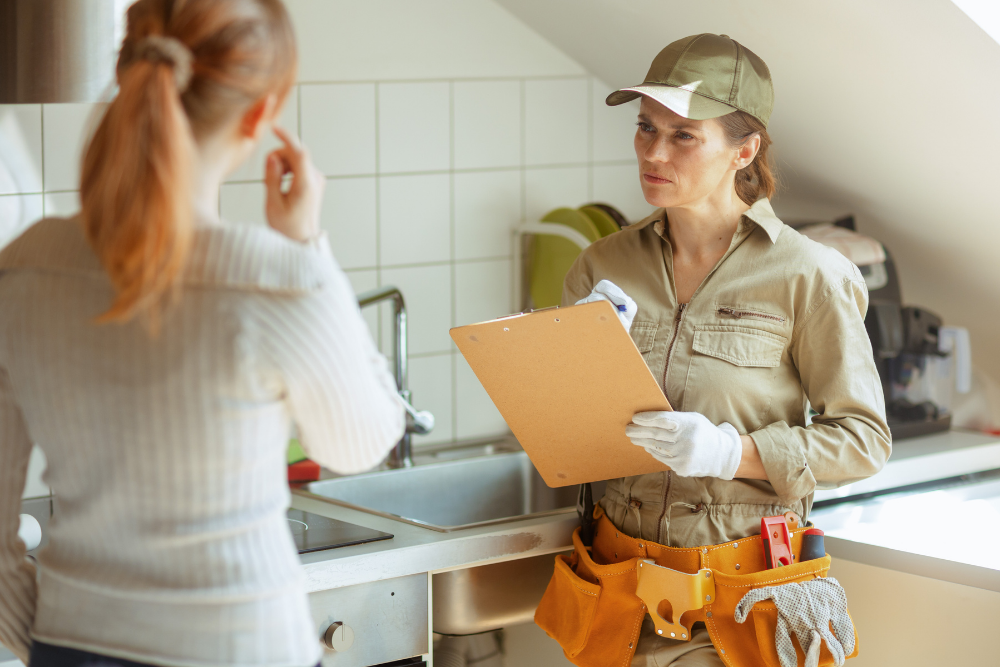
One of the most important plumbing tips for homeowners is performing regular leak inspections throughout the property. Even small water leaks can waste hundreds of gallons of water each month, significantly increasing utility bills. More importantly, undetected leaks can lead to serious structural damage if water continues to accumulate inside walls or under flooring.
Homeowners should inspect faucets, showerheads, toilet bases, and exposed pipe connections for signs of moisture. Pay attention to water droplets forming on pipes, rust development, or loose valve fittings. Kitchens and bathrooms are common locations where leaks occur because of frequent water usage.
Hidden leaks are often harder to detect but can be more dangerous. Look for warning signs such as warped flooring, bubbling paint, dark water stains, or persistent musty smells. These symptoms often indicate moisture buildup that could encourage mold and mildew growth. Mold can negatively affect indoor air quality and pose health risks to residents.
Toilet leaks are among the most common household plumbing problems. A simple test involves placing food coloring into the toilet tank and waiting 10 to 15 minutes without flushing. If the color appears in the bowl, the flapper valve may need replacement. Addressing leaks early is one of the most effective plumbing tips for saving money and protecting home infrastructure.
Avoid Pouring Grease Down Drains
Avoiding grease disposal into sink drains is one of the most practical plumbing tips for maintaining a healthy plumbing system. Grease, cooking oil, and animal fats harden as they cool inside pipes. Over time, this hardened residue creates stubborn blockages that restrict water flow.
Kitchen plumbing systems are especially vulnerable because of frequent cooking activities. When grease combines with food particles and soap residue, it forms thick deposits along pipe walls. These deposits gradually narrow pipe openings and eventually cause complete clogs.
Instead of pouring grease into sinks, homeowners should collect excess cooking oil in sealed containers and dispose of it with regular household trash. This simple habit significantly reduces drainage problems. Using sink strainers is another effective preventative measure. Strainers help capture small food particles before they enter the plumbing system.
Regular sink maintenance is also important. Running hot water through drains after washing dishes helps reduce grease buildup. Some homeowners also use natural cleaning solutions such as baking soda and vinegar to help maintain pipe cleanliness.


Maintain Proper Water Pressure Levels
Monitoring water pressure is another essential part of practical plumbing tips for homeowners. Water pressure that is too high can damage plumbing fixtures, water heaters, and pipe joints. High pressure places unnecessary stress on the entire plumbing system, increasing the likelihood of leaks or pipe bursts.
Low water pressure can also indicate plumbing problems. It may signal pipe blockages, sediment buildup, or hidden water leaks somewhere in the system. Homeowners should observe changes in shower performance, faucet output, or appliance water supply.
Using a water pressure gauge is an easy way to measure household pressure levels. Most residential systems should stay within standard pressure ranges recommended by local building codes. If pressure is too high, installing a pressure regulating valve can help protect plumbing infrastructure.
Sudden pressure changes should never be ignored. Sudden drops in pressure often indicate leaks or supply line damage. Professional plumbing inspection services can help identify pressure-related problems before they become expensive repairs.
Schedule Regular Drain Cleaning Services
Routine drain cleaning is one of the most valuable plumbing tips for maintaining efficient water flow. Over time, household debris such as hair, soap residue, toothpaste, and dirt particles accumulate inside drainage pipes. These materials gradually form blockages that restrict water movement.
Professional plumbing services often use advanced cleaning technologies such as hydro jetting. Hydro jetting uses high-pressure water streams to remove buildup without damaging pipe walls. This method is more effective than traditional cleaning tools because it removes deep internal residue.
Homeowners should avoid relying heavily on chemical drain cleaners. While these products may provide temporary relief, frequent use can corrode metal pipes and weaken PVC plumbing materials over time. Natural cleaning solutions or professional drain maintenance services are safer alternatives.
Scheduling annual drain inspections is highly recommended. Regular maintenance helps extend pipe lifespan and reduces the likelihood of unexpected plumbing emergencies. Commercial properties and busy households may require more frequent cleaning schedules due to higher water usage.

Know Your Main Water Shut-Off Valve Location
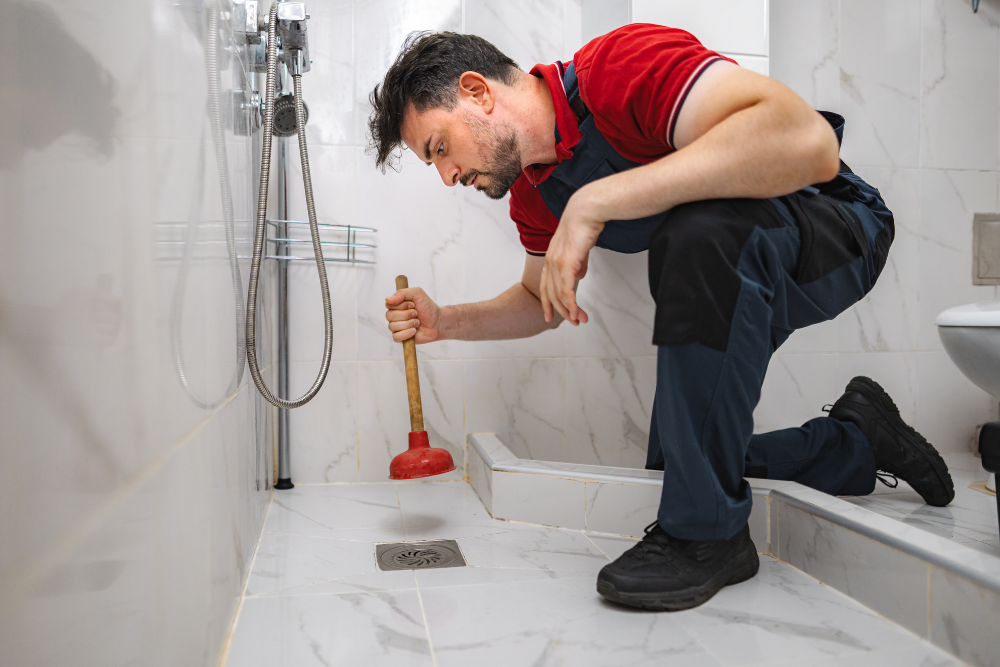
Knowing the location of your main water shut-off valve is one of the most critical plumbing tips for emergency preparedness. During pipe bursts or major leaks, shutting off the water supply quickly can prevent severe flooding and property damage.
The main shut-off valve is typically located near water meters, basements, or utility rooms. Homeowners should ensure every family member understands how to operate the valve during emergencies. Practicing shut-off procedures can save valuable time during plumbing disasters.
It is also important to inspect shut-off valves periodically. Valves that are rarely used may become difficult to turn due to mineral buildup or corrosion. Professional plumbing inspections can ensure valves remain functional during emergencies.
These plumbing tips are particularly important for homeowners living in older houses where plumbing infrastructure may be more vulnerable to failure. Quick emergency response helps minimize water damage to floors, furniture, and electrical systems.
Insulate Pipes During Cold Weather
Cold weather increases the risk of frozen pipes, which can burst and cause extensive water damage. Pipe insulation is one of the most effective plumbing tips for homeowners living in colder climates.
Pipe insulation materials are widely available at hardware stores and are relatively inexpensive. Foam insulation sleeves are easy to install and help maintain consistent water temperatures inside pipes. Pay special attention to pipes located in basements, attics, garages, and exterior walls.
During extremely cold temperatures, homeowners can prevent pipe freezing by allowing faucets to drip slightly. This keeps water moving through pipes and reduces pressure buildup. Keeping interior home temperatures stable also helps protect plumbing systems.
Frozen pipes can lead to sudden water damage if they burst unexpectedly. Preventative winter maintenance is far less expensive than emergency pipe repair or replacement.


Maintain Your Water Heater System
Water heater maintenance is another important aspect of home plumbing care. Water heaters work continuously to provide hot water for bathing, cleaning, and cooking. Sediment buildup inside tanks can reduce heating efficiency over time.
Flushing water heater tanks once or twice per year helps remove sediment deposits. Homeowners should also listen for unusual noises such as popping or rumbling sounds, which may indicate sediment buildup inside the tank.
Older water heaters may require replacement to maintain energy efficiency. Newer energy-efficient models help reduce monthly utility expenses and improve heating performance. Tankless water heaters are becoming increasingly popular due to their compact design and lower energy consumption.
Hire Professional Plumbing Services When Needed
Knowing when to call professional plumbers is one of the smartest plumbing tips homeowners can follow. While minor maintenance tasks can be handled independently, complex plumbing repairs require specialized knowledge and tools.
Professional plumbers can accurately diagnose hidden problems using advanced technology and inspection equipment. Attempting complex repairs without proper training may worsen damage to plumbing systems.
When hiring plumbing professionals, always verify licenses, insurance coverage, and customer reviews. Experienced contractors provide reliable diagnostics and long-term repair solutions.

Conclusion
Following essential plumbing tips helps homeowners maintain safe, efficient, and long-lasting plumbing systems. Regular leak inspections, proper drain care, water pressure monitoring, and seasonal maintenance all contribute to better system performance. Preventative care reduces emergency repair costs and helps protect property value over time.
Professional plumbing support provides additional protection when complex problems arise. For reliable plumbing services in Newark, trust Plumbing & Drain Mechanical. Call (973) 446-8096 today to schedule professional plumbing maintenance and keep your home’s plumbing system operating at peak performance.